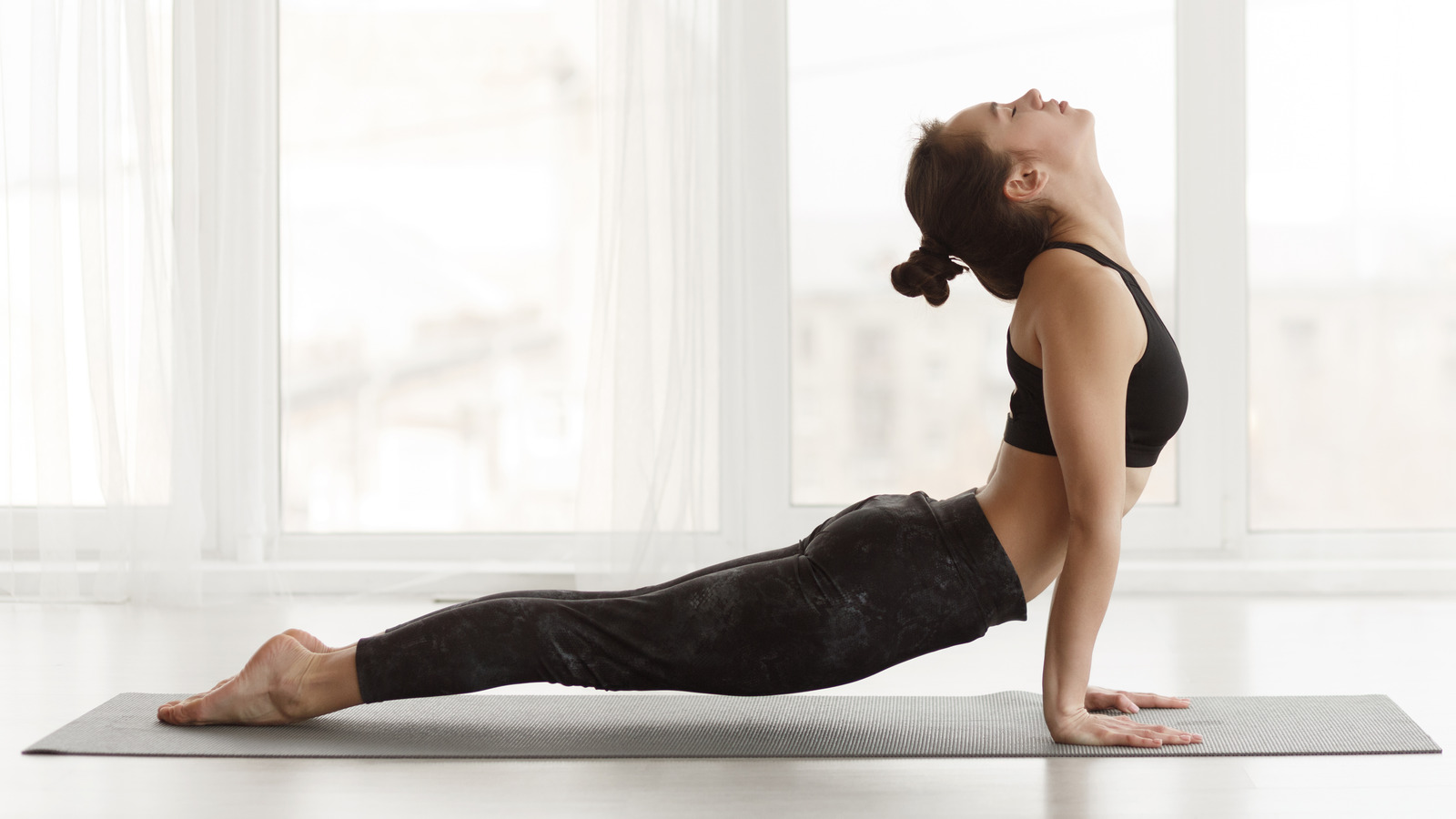
If you ever noticed that your lower back is crying and begging in pain after your yoga session, the reason might be that your Cobra Pose (Bhujangasana) might need some attention and modification.
When you look at it in the picture, Cobra Pose seems very easy and simple. It's just lying on your belly, pressing your hands into the mat and lifting your chest, simple work, isn't it? And also it is cherished as one pose that will act as a heart opener and an amazing way to counteract the hunchback posture which you might have because of too much sitting.
We need to know that this habit of excessive sitting makes our lower back really vulnerable. When we forcefully try to raise our chest high without proper engagement, it makes us dump all the weight of our body on our lumbar spine.
Let's have a look into the *4 critical alignment mistakes, which you might be making while doing your Cobra Pose and also discuss how to fix them immediately, so that your spine stays safe.
1. Pushing Too High with Arm Strength (The "Fake" Backbend):
Many of the yoga practitioners think that higher the Cobra, the better is the Cobra. And to make this happen, they use their raw arm strength to press their upper body away from the yoga mat.
? The Common Mistake: Turning this pose into solely an arms strengthening exercise and forcing your spine into a deep backbend while the back muscles are still cold and not warmed up properly.
? Impact On The Body: By forcing the bend you are putting your lumbar spine at risk of pinching or compression, which can trigger sharp, localized back pain.
? The Pro Correction: First of all, do a “hands-free” test. Lie down on your stomach and take a deep breath and lift your chest using only your back muscles, without using any pressing by hands at all. Your Hands must be free and off the mat. Remember this is the height which is truly safe for you in Cobra pose, so always raise the chest this much only. Once you discover your perfect height you can place your hands for support.
2. Cranking the Chin Up (The Neck Crunch):
It happens on a frequent basis that we throw our heads way back and look at the ceiling, this feels like we are doing the bending very deeply.
? The Common Mistake: Pushing your chin in forward and upward direction causes hyperextension in the neck.
? Impact On The Body: Cranking your neck like this, will cause compressions in the cervical region of your spine, which always makes your shoulders hold a lot of tension and causes annoying headaches.
? The Pro Correction: Keep your gaze gentle and make sure that you are looking at the floor about one foot further from your mat. Your neck must always remain in its natural state, as the long extension of your whole spine. Imagine your head being pulled towards the ceiling, instead of pointing your chin upwards.
3. Shrugging Your Shoulders to Your Ears:
Whenever our back muscles become tired or they are not engaged properly, our shoulders begin to creep up naturally in the direction of our ears. It happens because they want to provide support to the weight of our torso.
? The Common Mistake: Allowing the shoulder to collapse upward, that makes the neck and throat area too crowded.
? Impact on The body: When the shoulders collapse forward, it makes the whole region of the upper back very tight and tense, which causes restriction in breathing and also puts strains on delicate neck muscles.
? The Pro Correction: Consciously bring your shoulders back and down, in the opposite direction of your ears. Think about sliding your shoulders blades into your back pockets. And simultaneously, pull your chest forward with the help of your upper arms to make your collarbones wide.
4. Letting the Legs and Feet Go "Dead":
It can most likely happen that you totally forget about the lower half of your body while doing this pose and solely become focused on lifting your chest. But your legs are not useless in this; they are the very anchor to this pose.
? The Common Mistake: Allowing your legs to go totally limp and that will cause destabilization in your pelvis.
? Impact on The body: If you don't engage the legs, the entire load will go on your lower back and it will crush the lumbar discs, which will lead to back pain related issues.
? The Pro Correction: Actively and firmly put the top of your feet, which is, press all the tips of your ten toes into the mat. This action will automatically make your quadriceps (thighs) engaged and make your knees go off the floor. Now, keep doing all that mentioned above, let your legs be engaged and then press your pubic bone into the mat. This will give you a solid foundation and a protective anchor for your spine.
The Quick Cobra Checklist:
Before you decide to do the Cobra Pose in your next yoga practice, take a deep breath and go through this quick checklist of important things you need to remember:
? Feet: Press them into the mat; keep the thighs engaged and kneecaps lifted.
? Hands: Place them gently under the shoulders and keep the elbows hugging the ribs.
? Chest: Reaching in the forward and upward direction by using the strength of back and not arms.
? Shoulders: Rolled down and away from the ears.
? Gaze: Gentle, looking slightly down to keep the neck long.
A Note on Structural Safety & Medical Caution:
Cobra Pose is meant to make your back stronger and more flexible, but never to cause any kind of pain. If you begin to feel a sharp, pinching painful sensation in your lower back, or your wrists begin to fire up, then you must stop this pose instantly.
If you are dealing with a history of chronic lower back pain, bulging discs or sciatica related issues, you must be careful with this pose. You must always consult with your doctor or any qualified physical therapist before you decide to do any kind of back bending exercises.
Your health, well-being and long term mobility must always be your number one priority and never force yourself to do anything that increases discomfort in any part of your body.