Whenever you feel stressed or overwhelmed in a particular situation, the advice which is offered by a lot of people is to ?take a deep breath?. However, if you start to perform massive, quick inhalations through your mouth while having anxiety, it will actually make it worse. Deep, fast inhales fill the lungs and activate your sympathetic nervous system, which means your body?s fight or flight mode gets activated and you experience higher heart rate and increase in alertness.
If your goal is to make yourself calm instantly, don't focus on the inhalation. It will not help you in achieving peace of mind or slow down your pulse rate. Focus on the other half of the breath cycle instead, which is the exhalation.
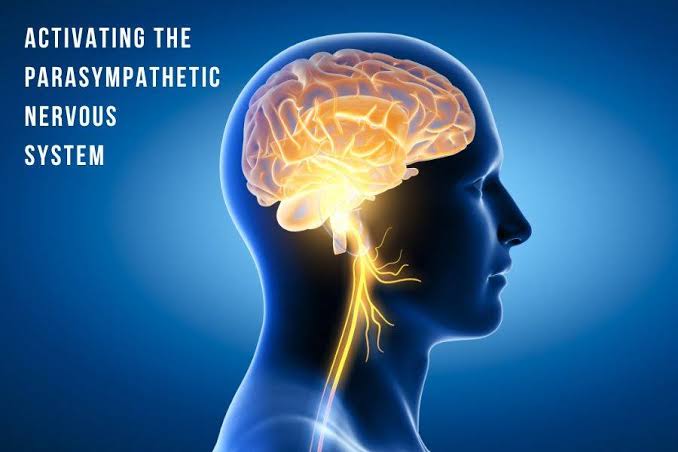
When you extend your exhalation, it triggers a biological mechanism known as Respiratory Sinus Arrhythmia (RSA). You need to know that your heart rate naturally increases when you inhale and it decreases when you exhale. When you perform the breathwork( which is known as ratio based breathing) in this way, it helps you to activate your parasympathetic nervous system (rest-and-digest) in under 60 seconds.
3 Breathing Resets for Autonomic Down-Regulation:
1. Rapid Inhalation vs. Extended Exhalation (The 1:2 Ratios)
The Habitual Error: Taking fast pace, gasping inhales while forcing yourself to calm down, keeping your inhalations twice as long as your exhalations.
The Mechanical Strain: When you inhale for longer periods of time it keeps the lungs expanded and maintains sympathetic dominance. This puts your body in a stressful state, which means it will promote more cortisol release, keep the blood pressure high and lock muscles in a defensive state.
The Neurological Shift: Sit straight on the chair or some place, where your spine has support. Inhale gently with your nose for 4 seconds, and then softly exhale for 8 seconds from your nose or from your pressed lips. Repeat this 4-5 times and you will experience that you begin to calm down as your central nervous system is now receiving the signal of safety.
2. Mouth Gasping vs. Nasal Nitric Oxide Filtering
The Habitual Error: Inhaling and exhaling in a fast manner, through an open mouth during acute anxiety or high mental strain.
The Mechanical Strain: When you breathe through your mouth, it drastically depletes carbon dioxide levels, which also causes mild vasoconstriction. It also bypasses the nasal passages, skipping the release of nitric oxide, this is a gas which is produced in the paranasal sinuses that dilates blood vessels and lowers blood pressure.
The Neurological Shift: Restfully keep the tip of your tongue against the roof of your mouth behind your front teeth. And then, inhale exclusively through your nose to warm and filter the air while carrying nitric oxide into your lower lungs for optimal level oxygen uptake necessary to calm you down.
3. Choppy Exhale vs. the Physiological Sigh
The Habitual Error: Forcefully pushing the air out in choppy bursts or holding your breath at the very end of the inhalation when you are stressed.
The Mechanical Strain: When you are doing rushed exhales, it allows the tiny air sacs (alveoli) in the lungs to collapse, which then decrease the effectiveness in exchange of oxygen and make your heart work harder.
The Neurological Shift: Rather than exhaling forcefully, perform a deep physiological sigh. Breathe in deeply through your nose, followed immediately by a short "top-off" sip of air to re-expand collapsed alveoli. And then follow with a long, slow, effortless exhale and keep doing it until you feel that your lungs are empty. Do it two times one after the other and you will feel relaxed automatically.
The Parasympathetic Reset Checklist:
Extended Exhale: Are you exhaling for longer periods of time? At least 1.5 to 2 times longer than your inhale?
Nasal Pathway: Are you breathing in through your nose to increase and maximize the release of nitric oxide?
Unforced Airflow: Are you exhaling in a relaxed and gentle way rather than doing it forcefully under pressure?
Facial Softness: Are you keeping your jaw unclenched while your tongue rests gently on the palate?
Somatic Shift: Do you feel a dropping sensation in your shoulders and a slowing pulse after 3 rounds?
Medical Caution:
When you are performing ratio-based breath work you must know it is only supposed to make you feel comfortable and soothing. But for some reason if you are experiencing dizziness, lightheadedness, or air hunger, you must stop and return to a natural breathing rhythm immediately.
If you are diagnosed with issues like severe hypotension, cardiovascular disease, or respiratory conditions, we recommend that you first consult with a physician before practicing extended exhalations.