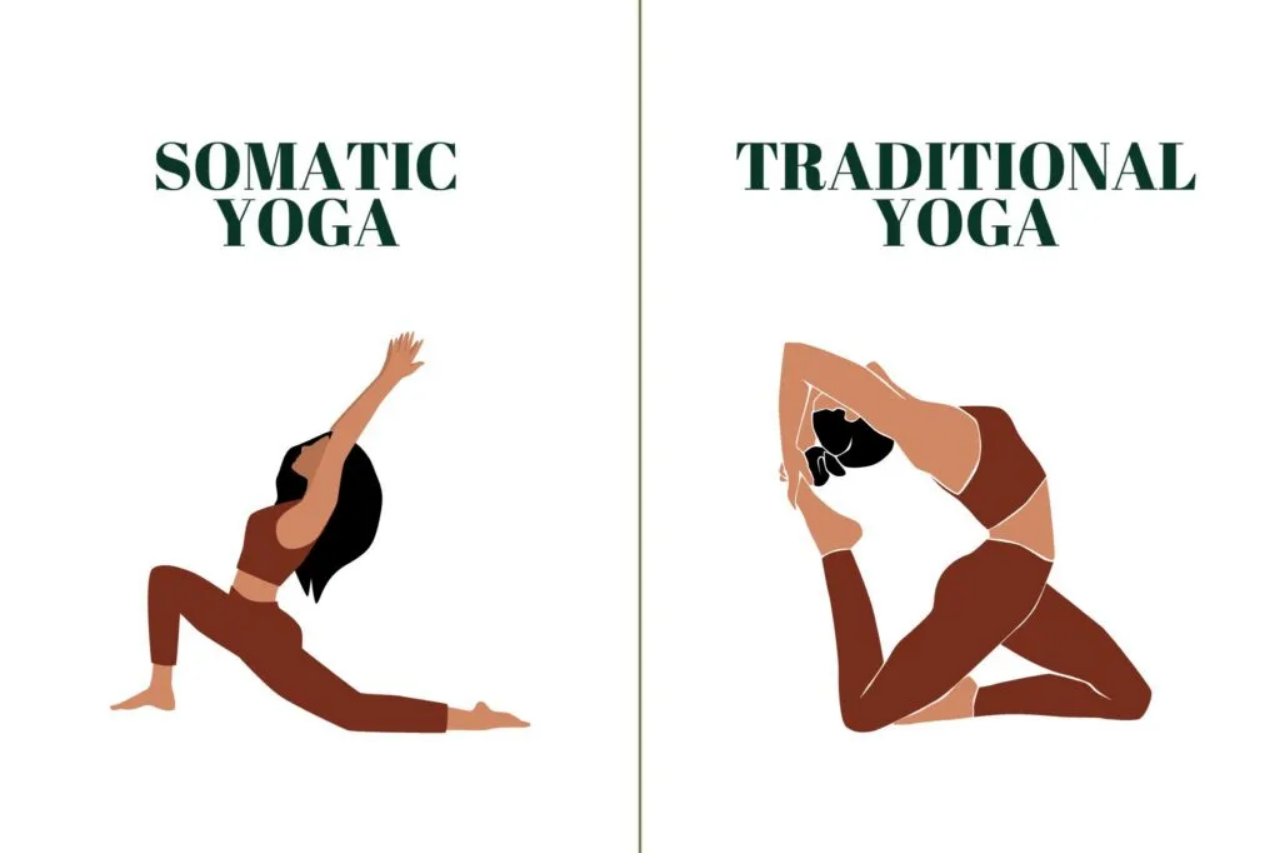
When you finish your yoga practice after an intense, before sleep deep stretch and think you have prepared your body for a good night sleep. Yet, hours later, you are lying in your bed, struggling to fall asleep, continuously looking at the ceiling; your muscles are filled with a strange rush of restless energy while your heart refuses to slow down.
When you think of unwinding before bed, most people's default response is intense, aggressive flexibility work. They start to do things like grabbing a strap, pulling limbs to maximum end-range, and forcing tight hamstrings or hip flexors to yield.
While your deep, intense stretching routines during the day time builds athletic flexibility, but if you do that at night and hope to feel restful it won't work, it can cause unintended physiological stress. Aggressive pulling feels like an external threat to your nervous system. So instead of being relaxed your spinal cord activates its protective reflexes that keep your sympathetic nervous system in flight or fight mode.
If you want to transition smoothly into deep, rejuvenating sleep, you must change your approach from mechanical muscular stretching and pulling to somatic down-regulation. By using gentle, small movements, you go beyond muscular alarm systems and signal directly to your central nervous system that it is the time to rest and it's completely safe to power down.
1. The Stretch Reflex Trigger vs. the Proprioceptive Softening
The Habitual Error: Forcing a deep forward fold or hamstring stretch right before bed, pulling until your muscles shake or throb at their absolute mechanical limit.
The Mechanical Strain: Pulling a muscle too fast or too far activates the myotatic reflex (stretch reflex) via specialized muscle spindle sensors. To protect your joints from tearing, your spinal cord automatically fires back contraction signals. This involuntary tension keeps your muscle fibers locked in a defensive contraction rather than releasing them.
The Somatic Reset: Move into a stretch at only 30?40% of your maximum range. Instead of holding a static, intense pull, introduce tiny, slow, sub-maximal micro-oscillation, gently rocking the joint by a fraction of an inch. This low-threshold sensory input reassures the muscle spindles, allowing the nervous system to relax muscle tone without triggering alarm signals.
2. High-Tension Holding vs. Golgi Tendon Organ Activation
The Habitual Error: Gritting your teeth and holding highly intense poses, even the ones which are difficult with pure will power, while holding your breath and bracing your core.
The Mechanical Strain: When you brace while doing an intense stretch it sends a surge of nociceptive (pain) signals to your brain. Then your brain recognizes this pain as a sign of instant danger which further triggers the adrenal glands to release a secondary wave of stress and activity hormones like cortisol, adrenaline etc. All this spiking of chemicals directly overrules natural release of melatonin and keeps your resting heart rate high.
The Somatic Reset: Enter in a fully supported pose with the help of props like pillows, bolsters and then put a little bit of pressure for at least 90 to 120 seconds. When you apply this low intensity pressure for a longer period of time it helps in activation of Golgi Tendon Organs (GTOs) located at the musculotendinous junctions. When GTOs register safe, continuous load, they trigger autogenic inhibition, an automatic neural signal which helps in letting the muscle belly to calm down completely.
3. Chest-Bracing vs. Vagal-Tone Breathing
The Habitual Error: Taking shallow quick breaths which are only chest level while you are performing a tough stretch before you go to sleep.
The Mechanical Strain: When you breathe in a shallow manner into your upper chest level, this simulates the sympathetic trunk along the thoracic spine. When your brain receives this kind of signal it interprets it as you are still in a state of physical exertion, and that maintains high frequency beta brain waves and keeps your body in the state of alertness.
The Somatic Reset: Pair gentle somatic movements with an extended exhale ratio (e.g., inhale for 4 seconds, exhale for 7?8 seconds). Prolonged exhalations stimulate the vagus nerve, which innervates the heart and digestive tract. This vagal stimulation slows your heart rate, lowers blood pressure, and shifts your brain waves into slow-frequency Alpha and Theta states required for sleep.
The Pre-Bed Somatic Down-Regulation Checklist:
Before attempting your nighttime movement routine, run through this quick checklist to ensure your nervous system is shifting into rest mode:
Sub-Maximal Intensity: Are you using your 30-40% capacity and that too comfortably?
Zero Pain Signals: Is the movement absolutely free from any kind of pain like sharp sensation, pinching or muscular shaking?
Prop-Supported Surrender: Are you giving full support to your body with the help of pillows, bolsters or a mattress so that no muscle is experiencing any weight?
Long Exhalations: Are you exhaling for a longer period than inhaling so that your vagus nerves become activated?
Jaw & Facial Softness: Is your tongue staying in its natural restful position which is the roof of your mouth while your jaw remains unclenched?
A Note on Structural Safety & Medical Caution:
When you perform somatic yoga and gentle down-regulation movements you experience that your nervous system is beginning to calm down and this also helps you in gentle spine maintenance. Somatic yoga is designed to provide you all mentioned above and these movements must feel smooth, nurturing and soothing.
But always remember, whenever you are performing the movements, make sure you don't experience any kind of sharp, electrical shocks, radiating numbness etc. along your arms and legs or any intense joint pain. If you are feeling any of these discomforts just disengage from the posture and come to a natural resting pose.
If you are recovering from any injuries like acute soft-tissue tears, joint dislocations, or any type of recent spinal surgeries, we recommend that you totally avoid unassisted movement protocols without direct clearance from your physical therapist or primary care physician. Always prioritize systemic safety over forcing physical flexibility!