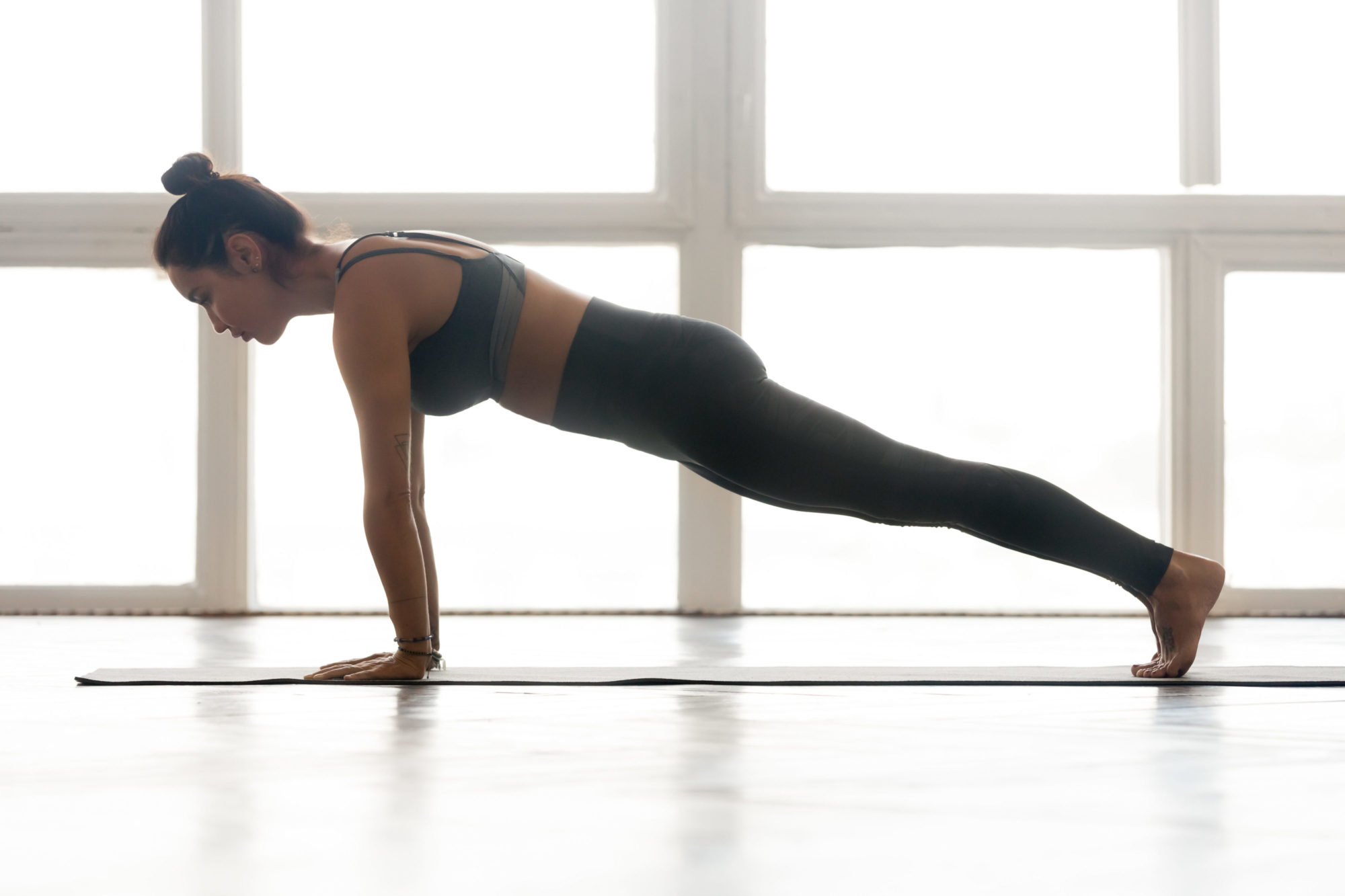
On a sunny day, in the morning, you decide to utilise it by trying this new yoga routine which you saw online, so you give it a try. You bring your yoga mat and start doing this dynamic routine, during this flow, you lower down from Plank Pose (Kumbhakasana) into Chaturanga Dandasana and discover that you feel a sharp pinching sensation at the front of your shoulder.
Over time, this constantly occurring pain starts to turn into a persistent sore spot that increases every time you try to do any pushing exercise or arm balances. When shoulder pain persists like this, it is rarely a simple muscle strain?it is usually caused by anterior shoulder impingement during the transition.
When you lower your body weight while doing the push up like movement towards the floor, your shoulder joints will experience a significant amount of load. If your shoulder blades (scapulae) slide out from the alignment or collapse inwardly in the direction of your spine, it means the head of your upper arm bone (humerus) is gliding forward in the joint socket.
This forward shift pinches the supraspinatus tendon and the subacromial bursa against the acromion bone, which generates painful micro-inflammation every time you repeat this movement.
3 Biomechanical Fixes for Safe Shoulder Transitions:
1. Collapsing Scapulae vs. Active Serratus Anterior Protraction
The Habitual Error: Allowing your chest to sag toward the floor while your shoulder blades pinch together tightly during Plank Pose.
The Mechanical Strain: Sagging between your shoulders deactivates the serratus anterior muscle. Without scapular support, your shoulder joints bear your full body weight in an unstable, compromised position.
The Structural Reset (Active Scapular Protraction): In Plank Pose, actively press the floor away to broaden the space between your shoulder blades. Think about the back of your heart being pulled by the ceiling. Keep this strong, wide and stable position before you begin the movement by bending your elbows.
2. The 90-Degree Elbow Dip vs. Forward Body Shift
The Habitual Error: When you bend your elbows and drop your shoulders beyond your elbow joints, and also let your chest dip near the mat.
The Mechanical Strain: When you bring your shoulders below the level of your elbows, an intense amount of shearing force is placed on the anterior capsule of the shoulder joint, which pushes the humerus forward and can cause anterior impingement.
The Structural Reset (The Forward Shift): Before bending your elbows in Plank, shift your entire body weight forward on your toes so that your shoulders move past your wrists. As you move your body lower, stop when your upper arms are parallel to the floor (a 90-degree bend at the elbows). Your forearms should remain perpendicular to the mat like vertical pillars.
3. Flare-Out Elbows vs. Latissimus Dorsi Hugging
The Habitual Error: Flaring your elbows forces the shoulder joints into internal rotation under load.
The Mechanical Strain: When you let the flaring of elbows happen, it forces the shoulder joints into internal rotation under load, which narrows the subacromial space and grinds the rotator cuff tendons against bone.
The Structural Reset (Tucking the Elbows): Rotate the inner creases of your elbows forward toward the front of your mat (also known as external shoulder rotation). As you lower down, keep your elbows hugged tightly against the sides of your rib cage. It makes your latissimus dorsi and triceps engaged in this position which helps in stabilizing the humerus securely within the joint socket.
Chaturanga Shoulder Safety Checklist:
Forward Shift: Did you shift the weight of your body in forward direction onto your toes before you bend your elbows?
90-Degree Stop: Do you stop moving your upper arms while keeping them parallel to the floor, and also keep your shoulders maintained in a position at or above elbow height?
Rib Contact: Are you tucking your elbows closely into your ribs and not making them flare outwardly?
Broad Collarbones: Is your chest open and broad, preventing your shoulders from rounding forward
Medical Caution:
You must keep in mind that transitioning through Chaturanga requires a significant amount of upper-body strength and also joint stability.
If you experience any of these types of problems like intense, shooting pain in the front of your shoulder or a burning sensation down your arm, we recommend that you lower your knees to the mat immediately. When you are practicing Knees-Chest-Chin (Ashtanga Namaskara) or lowering with knees down, it allows you to build rotator cuff strength in a safe way without putting you at risk of tendon tears or bursitis.
In case you are presently dealing with any shoulder or neck issues, consult a physical therapist because attempting this movement and if you already performed it and now have constant shoulder pain that persists during daily activities, see a doctor immediately. Always prioritize joint health and proper mechanics over pushing into deep shapes before your body is ready.